 
This is our thirty-first catalog and we very much appreciate each and every one of you for making it possible.
We encourage you to visit during our open gardens to see the plants in person and enjoy our beautiful country farm. You're welcome to bring a lunch. We have picnic tables available but you might call to reserve them.
Beardless iris are easy to grow and are not very troubled by pests or disease. Their foliage is attractive all during the growing season and, of course, the blooms are fantastic. Most like a slightly acid soil and welcome the mulch that helps control weeds and hold in moisture. They are very good for use near, and in some cases in, ponds and streams.
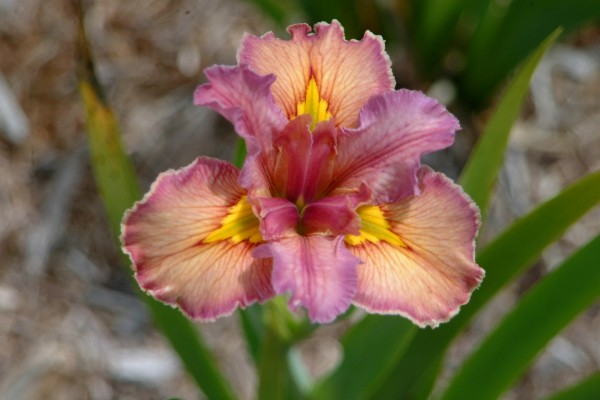 We grow many different plants including iris, daylilies, peonies, ferns, hydrangeas and many other perennials. We offer garden sales of potted varieties of iris, daylilies, peonies and other perennials for Spring planting. We no longer ship bare-root plants.
Macey and Greg McCullough
|
 Welcome to Iris City Gardens
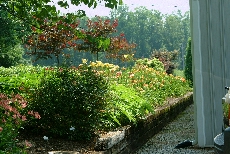
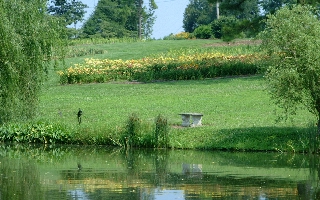
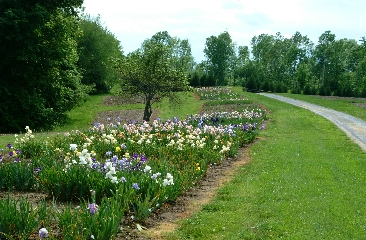 Our gardens are open for visitors Wednesday through Sunday, 9 am until 4 pm (Central) from April 16 to June 27. (If you'd like a preview check out our